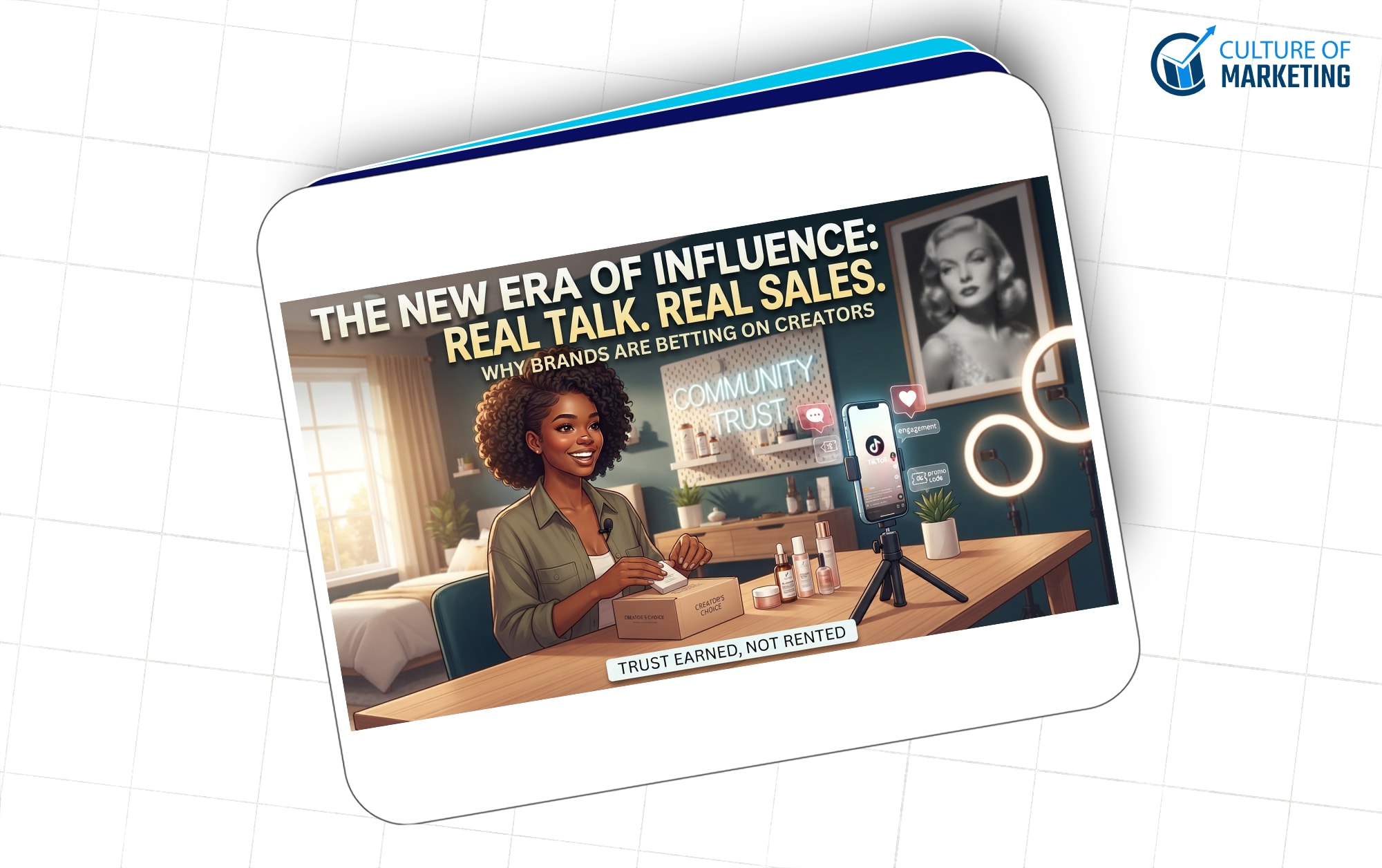
And Brands Are Finally Catching On
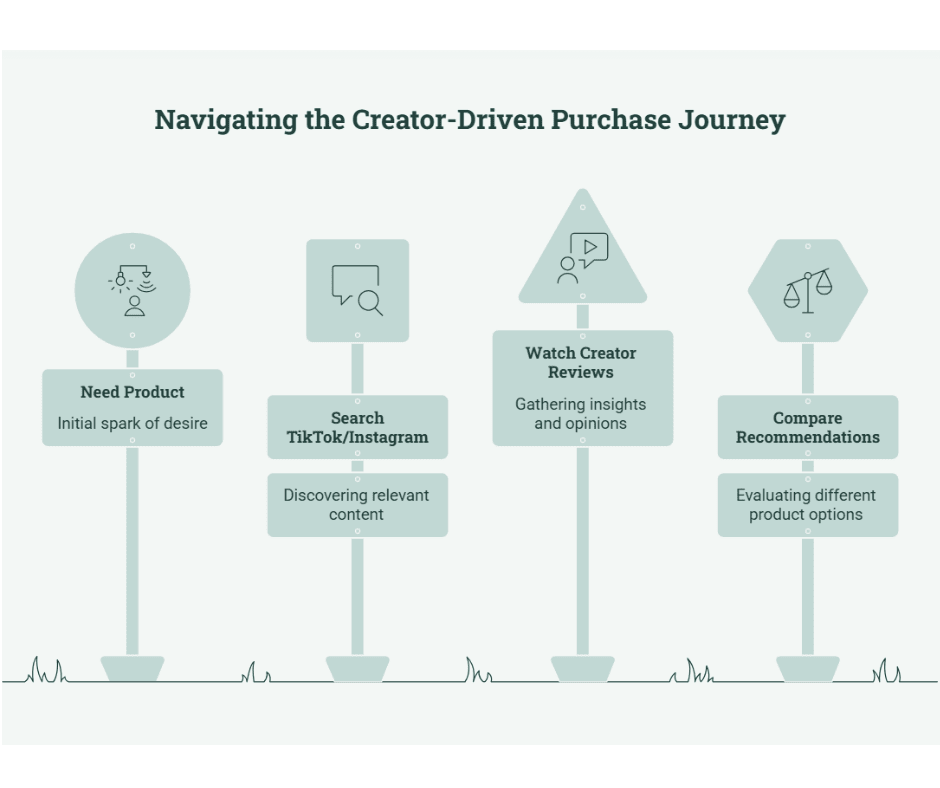
My cousin texted me last month asking which concealer to buy. She didn't Google it. She didn't ask a beauty consultant at Sephora. She went straight to a TikTok creator she's been following for about a year and watched three videos before making her decision.
That's it. That's the whole article, honestly.
But since you're here, let's actually get into why that one text message from my cousin represents something that's quietly flipped the entire marketing industry on its head — and why some brands are thriving because of it while others are still confused about why their celebrity campaigns aren't converting.
The Honest Problem With Celebrity Endorsements
I don't think celebrity endorsements are bad. I think they became lazy.
For decades, the formula was simple. Famous person plus product equals sales. And it worked — back when there were three TV channels, and people didn't have the option to look up seventeen honest reviews before buying anything. The celebrity said it was good, you trusted it because you trusted the celebrity, and you bought it. Done.
But something happened. The internet gave everyone a voice. Social media gave everyone an audience. And suddenly consumers had access to real people — people with no PR team, no brand contract, no incentive to lie — talking honestly about products. Saying things like "I tried this for 30 days and here's exactly what happened" or "honestly, the packaging is cute, but the formula is terrible."
After years of consuming that kind of content, people's trust instincts are completely rewired. Now, when a celebrity pops up in an ad, something in your brain immediately goes — okay, they got paid for this. And the message just... floats away. It doesn't stick. You don't believe it the same way.
That's not cynicism. That's just what happens when people get smarter about how advertising works.
What Influencers Actually Did Differently
Here's what I think people miss when they talk about influencers replacing celebrities. It wasn't about follower counts or platforms or even content quality at the start. It was about showing up consistently for a specific group of people and actually giving a damn about what those people needed.
Think about the personal finance creators who started explaining credit scores and Roth IRAs in plain English when literally nobody else was doing that. Or the fitness creators who talked about working out with chronic pain, or being a beginner at 45, or fitting gym time around three kids. These weren't polished productions. They were people filling a gap — talking to audiences that mainstream media had basically ignored.
And those audiences paid attention. They came back. They shared the videos. They left comments that turned into communities. Over time, those creators didn't just have followers. They had trust — real, earned, specific trust. The kind that took years to build and can't be bought or faked.
When a creator like that recommends a product, it carries weight because their audience knows them. They've watched this person be wrong about something and admit it. They've seen them recommend things they got nothing for. They know what this person actually values. So when they say "I've been using this for three months and I genuinely think it's worth your money," people believe it.
A celebrity in a 30-second spot doesn't have any of that backstory. They just have fame. And fame, it turns out, doesn't automatically translate to trust anymore. The trust creators build doesn't come from simply recommending products—it comes from making people feel understood. That's the same principle behind Emotional Advertising, where brands focus on creating emotional connections before asking consumers to make a purchase.
The Numbers Are Pretty Hard to Argue With
I know some people reading this still need the data. Fair enough.
Micro-influencers — creators with somewhere between 10,000 and 100,000 followers — consistently see engagement rates between 3 and 8 percent. Celebrities with millions of followers often sit below 1.5 percent. That gap isn't small. It's the difference between an audience that's actively paying attention and an audience that's technically there but mentally somewhere else.
And it's not just engagement. It's a conversion. Brands running honest post-mortems on their campaigns keep finding the same thing — mid-tier influencers in the right niche drive more actual purchases per dollar spent than celebrity deals that cost ten times as much. The ROI math just doesn't work in celebrities' favor anymore, especially for brands that can't afford to treat marketing spend as purely brand-building.
Gymshark figured this out before most people were even using the word "influencer" seriously. They were a small apparel brand with no budget for big names, so they found fitness creators who actually lived in the gym and sent them gear. No fancy contracts, no complicated deal structures. Just here's our stuff. If you like it, talk about it. Those creators talked about it. Their audiences listened. Gymshark grew into a billion-dollar brand without a single traditional celebrity deal driving it.
That story gets told a lot, but I don't think people fully absorb what it means. It means the old playbook wasn't just expensive — it was replaceable. And it got replaced.
Why Some Brands Are Still Getting This Wrong
Even with all this being pretty obvious at this point, there are still plenty of marketing teams throwing money at celebrity deals that don't work, and it usually comes down to a few things.
First — and I say this with love — it's ego. "We partnered with [famous name]" sounds impressive in a board meeting. It looks good in a press release. It feels like a big swing. A campaign with 40 micro-influencers is harder to brag about, even if it makes more sense financially and actually moves product.
Second, a lot of brands don't really understand the difference between renting an audience and earning one. Paying a celebrity for a post is renting. You get a moment of exposure to their followers, then it's over. Building a real relationship with a creator who talks about your product naturally over time because they actually believe in it — that's earning. Rented attention evaporates. Earned attention compounds.
Third — and this one kills a lot of otherwise decent influencer campaigns — brands refuse to let go of the script. They hire a creator because of their voice, their personality, the specific way they connect with their audience, and then they hand them a three-paragraph caption written by a legal team and wonder why it didn't perform. You can't buy authenticity and then immediately sand off everything authentic about it.
The creators who consistently drive results are the ones whose brand partnerships feel like a natural extension of what they were already doing. When it feels forced, the audience feels it too. They always do.
So, Where Does This Actually Leave Celebrity Marketing?
Look, I'm not saying celebrities are done. They're not. For certain campaigns — big cultural moments, mass awareness plays, luxury brand positioning — a famous face still carries something that a mid-tier influencer can't replicate. There's a reason major fashion houses still use movie stars for their campaigns.
But for most brands, especially anything in the DTC space, beauty, wellness, fitness, food, personal finance, parenting, tech — the creator economy is where the actual influence lives right now. It's where people go to make decisions. It's where trust gets built and spending decisions get made.
The brands that understand this aren't just adjusting their marketing mix. They're thinking about creators as genuine partners. They're building long-term relationships instead of transactional one-offs. They're giving creators creative freedom because they understand that's literally the point. And they're measuring what actually matters — conversions, promo code usage, real engagement — instead of vanity metrics that look good in reports but don't tell you whether anything actually worked.
The ones that don't understand this are still booking celebrities, wondering why the numbers look soft, and blaming the economy.